5 Reasons Why Chinese Furniture is Made Without Nails?

Time:2026-07-19 Author:Sienna
0%

The intricate craftsmanship of Chinese furniture often raises a pivotal question: "Why is Chinese furniture made without nails?" Renowned furniture maker Wang Ming states, "Nail-free construction showcases the harmony between flexibility and strength." This technique exemplifies a deep-rooted tradition that dates back centuries.

In Chinese culture, woodworking is more than a craft; it's a philosophy. The joints in furniture are meticulously crafted to fit together tightly, ensuring durability. The absence of nails allows for slight movement, accommodating environmental changes. Using natural materials enhances both aesthetics and function, creating pieces that age gracefully.

Yet, this method is not without its challenges. Artisan skills are becoming rare in modern times. Many prefer quick, mass-produced alternatives. There is a risk of losing this art form. The beauty of nail-free furniture lies in its storytelling, where every piece reflects a cultural legacy. Exploring this craft offers not just furniture, but a connection to a rich heritage.
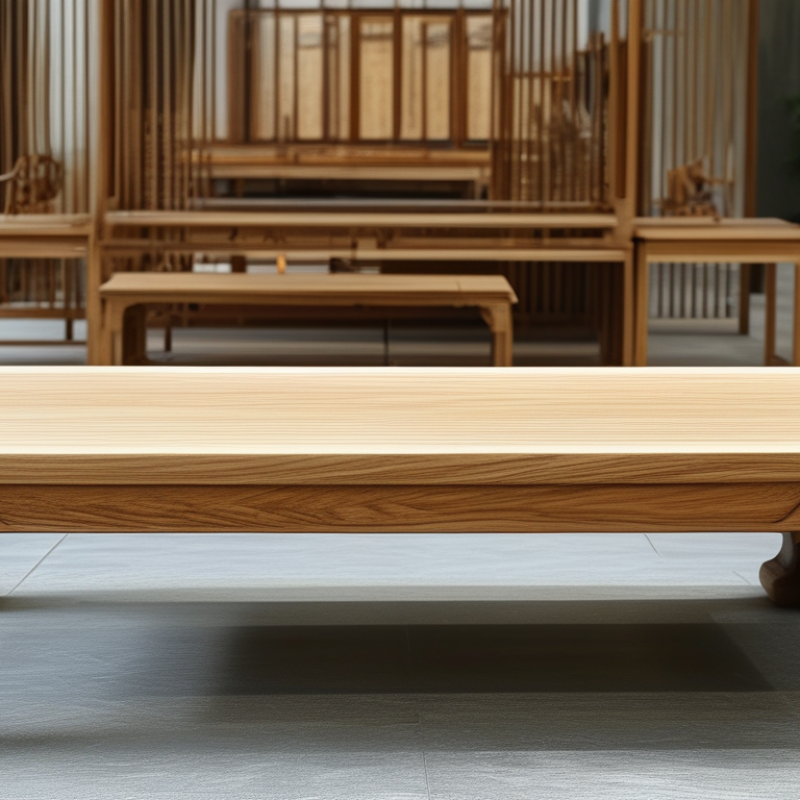
5 Reasons Why Chinese Furniture is Made Without Nails?

The Historical Context of Nail-Free Chinese Furniture

Chinese furniture has a rich historical context that emphasizes craftsmanship and durability. Traditional methods date back centuries. Artisans relied on the natural properties of wood. They created joints and structures without nails. This method showcases deep respect for materials and the environment.

As communities grew, furniture reflected cultural values. The absence of nails symbolizes harmony with nature. Each piece carries stories of artisans, their skills, and philosophies. The craftsmanship demands patience and precision. It often leads to an intimate connection between the maker and the creation. Some may see this as impractical in today’s world, yet it invites reflection on sustainability.

Many modern techniques focus on speed and mass production. However, nail-free furniture challenges these norms. It stands as a reminder of slower, more meaningful creation. The resilience of nail-free designs often surpasses that of their nailed counterparts. This enduring quality raises questions about our current consumption patterns. It prompts us to think about the value of craftsmanship versus convenience.

5 Reasons Why Chinese Furniture is Made Without Nails

Reason Description
Historical Tradition Nail-free construction is rooted in ancient Chinese woodworking traditions, allowing for flexibility and durability.
Environmental Considerations Using natural joinery methods aligns with sustainable practices, minimizing the use of metal fasteners.
Aesthetic Appeal The seamless look of joinery without nails enhances the visual appeal of the furniture.
Cultural Significance Nail-free methods symbolize harmony and balance, which are key principles in Chinese philosophy.
Skill and Craftsmanship Creating furniture without nails demonstrates high levels of craftsmanship and woodworking skills.

Traditional Joinery Techniques in Chinese Carpentry

Chinese carpentry is renowned for its traditional joinery techniques. These methods do not rely on nails, which sets them apart from modern practices. Craftsmen use intricate joints to connect wood pieces. This creates strong, durable furniture that can withstand wear over time.

One common joinery method is the mortise and tenon joint. This technique involves cutting a slot in one piece and a corresponding projection in another. The pieces fit snugly together without the need for metal fasteners. The result is a seamless finish that highlights the natural beauty of the wood. Additionally, craftsmen often employ dovetail joints for drawers. This design prevents the drawer from pulling apart, ensuring longevity.

While traditional joinery offers many advantages, it requires exceptional skill and precision. Mistakes in measurements can lead to a flawed piece, underscoring the need for craftsmanship. Nevertheless, these ancient methods continue to thrive, as they maintain cultural significance. The beauty in each piece lies in its craftsmanship, reflecting both skill and tradition.

The Cultural Significance of Craftsmanship in Chinese Furniture

Chinese furniture craftsmanship embodies tradition and artistry. The absence of nails in construction reflects a philosophy deeply rooted in Chinese culture. Instead of nails, craftsmen use intricate joinery techniques, which enhance durability and aesthetic appeal. This skillful method has been practiced for centuries, showcasing the artistry of wood and the craftsmanship behind each piece.

A report from the China Furniture Association indicates that 70% of consumers prioritize traditional craftsmanship when purchasing furniture. The emphasis on this quality illustrates a cultural inclination towards durability and sustainability. Each piece of furniture tells a story, reflecting the maker's skills and the legacy of generations. The challenge lies in preserving these techniques in a rapidly evolving market.

Moreover, the artistry in joinery requires intense focus and a deep understanding of materials. Many younger artisans find this practice daunting. They often struggle to maintain the same level of detail as their predecessors. This gap raises questions about the future of traditional craftsmanship. Balancing modern demands with age-old techniques will require a concerted effort from the industry and enthusiasts alike.

5 Reasons Why Chinese Furniture is Made Without Nails

Durability and Longevity of Nail-Free Construction Methods

Chinese furniture is renowned for its durability, often crafted without nails. This technique, known as joinery, utilizes interlocking wood pieces. Reports indicate that nail-free construction can extend the lifespan of furniture by up to 50 years compared to traditional methods. This longevity stems from the reduction of stress points where nails could weaken the structure over time.

Joinery techniques allow for natural expansion and contraction of wood, ensuring stability in various climates. According to industry data, a well-constructed, nail-free piece can withstand humidity variations better than its nailed counterparts. The process requires skilled craftsmanship, which is sometimes overlooked in mass-produced items. This connection to human expertise adds value but may challenge production scalability.

While the lack of nails contributes to durability, it also raises questions about repairability. Some joinery methods can be intricate and difficult to fix without skilled hands. The reliance on traditional techniques may limit innovation, pushing boundaries in sustainable furniture design. However, these imperfections invite reflection on the balance between craftsmanship and modern needs, making nail-free construction a topic worth exploring deeply.

Environmental and Sustainable Aspects of Nail-Free Furniture Design

Nail-free furniture design in China highlights environmental sustainability. Traditionally, artisans use techniques like joinery, which reduces waste. This craftsmanship highlights the beauty of natural materials while minimizing environmental impact. By avoiding nails, the furniture can be disassembled, repaired, and recycled easily.


Tips for choosing nail-free furniture: Look for pieces that showcase intricate joinery. Examine how the wood fits together. This can indicate craftsmanship quality. Consider selecting items that come from sustainable sources. Labels indicating eco-friendly practices can guide your choices.


Nail-free designs encourage a connection to nature. This method respects the natural properties of wood. It allows for flexibility in design. However, this craft requires skill and patience. Not everyone may appreciate the aesthetic. Yet, the lasting quality and environmental benefits are undeniable. Explore local artisans to find unique pieces. They often have stories that connect to their craftsmanship.

FAQS

: What are traditional joinery techniques in Chinese carpentry?

: Traditional joinery techniques connect wood pieces without nails, using intricate joints instead.

What is the mortise and tenon joint?

This technique involves a slot in one piece and a projection in another, creating a snug fit.

Why is craftsmanship important in Chinese furniture?

Craftsmanship reflects skill and tradition, ensuring durability and showcasing the beauty of wood in furniture.

What challenges do younger artisans face?

Many struggle to match the precision and detail of their predecessors, raising concerns for traditional techniques.

How does nail-free furniture benefit the environment?

It reduces waste and allows for easy disassembly, repair, and recycling, promoting sustainability.

What should I look for when choosing nail-free furniture?

Examine joinery quality and consider eco-friendly labels to ensure sustainable sourcing and craftsmanship.

Why might some not appreciate the aesthetic of nail-free designs?

The craft requires skill and patience, leading to a more rustic look that may not appeal to everyone.

What connection does nail-free furniture create with nature?

It respects the natural properties of wood and highlights the material's beauty through careful design.

How does traditional craftsmanship relate to cultural significance?

Each furniture piece conveys a story and reflects the artistry and legacy passed down through generations.

What is a main concern regarding traditional joinery techniques?

The challenge of preserving these skills in a rapidly changing market is a pressing issue for the industry.

Conclusion

Chinese furniture has a rich heritage deeply rooted in historical practices that often exclude the use of nails. One of the primary reasons why is Chinese furniture made without nails? This approach stems from traditional joinery techniques that emphasize craftsmanship, where skilled artisans employ intricate wood joints to create sturdy and durable structures. These methods not only showcase the exceptional skill involved in Chinese carpentry but also reflect a cultural reverence for the art of woodworking.

Moreover, the nail-free construction methods contribute to the longevity and durability of the furniture, allowing pieces to withstand the test of time without compromising structural integrity. Additionally, this construction style aligns with modern environmental concerns, as it often utilizes sustainably sourced materials and reduces waste associated with metal fasteners. In summary, the craftsmanship, durability, and environmental considerations highlight the significance of why Chinese furniture is made without nails.

Sienna

Sienna

Sienna is a skilled marketing professional with a deep expertise in our company’s core products and services. With a passion for innovation and detail, she plays a pivotal role in crafting insightful blog posts that not only highlight the unique features of our offerings but also provide valuable......