How to Protect Chinese Furniture from Humidity in 2026?

Time:2026-05-25 Author:Sophia
0%

Humidity poses a significant threat to Chinese furniture, especially as we approach 2026. Expert Dr. Li Min, a renowned furniture conservator, emphasizes, “Humidity can warp, crack, and ruin exquisite pieces.” This insight underscores the need for effective strategies to safeguard these wooden treasures.

Many collectors and enthusiasts struggle with how to protect Chinese furniture from humidity. The delicate nature of traditional Chinese designs makes them particularly vulnerable. High moisture levels can lead to irreversible damage, diminishing both beauty and value. Practicing preventative measures is essential.

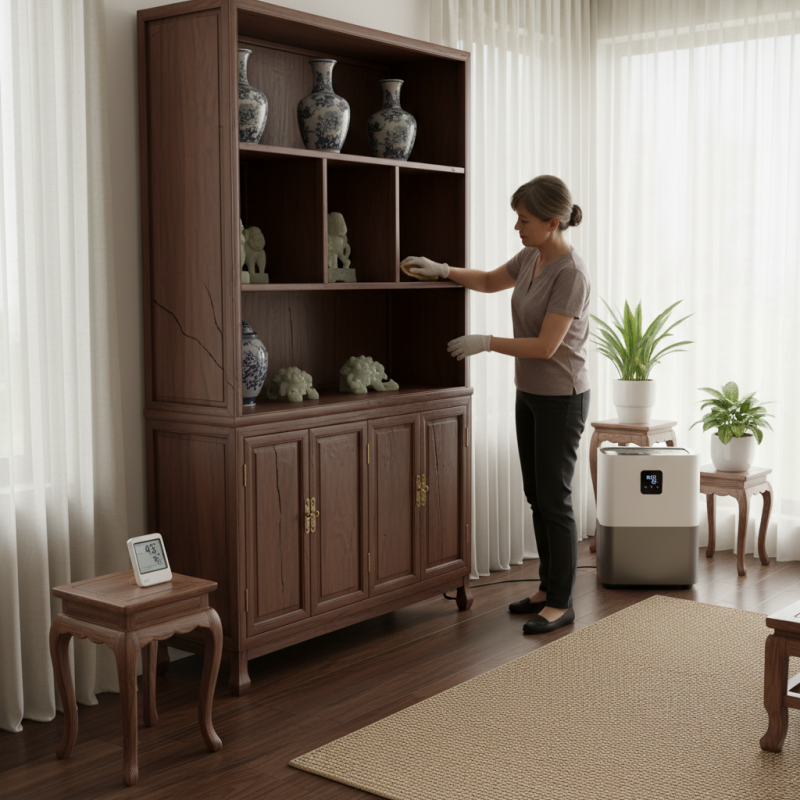
Using humidity control devices, such as dehumidifiers, is one way to create a stable environment. Regularly checking humidity levels can help identify problems before they escalate. However, like any solution, these methods have limitations. It's crucial to adapt strategies to individual circumstances and be aware that perfection is unattainable in preservation. Each piece tells a story, and maintaining its integrity requires continuous effort and mindfulness.
How to Protect Chinese Furniture from Humidity in 2026?

Understanding Humidity and Its Effects on Chinese Furniture

Humidity is a significant threat to Chinese furniture. It impacts the integrity of wood and the beauty of intricate designs. High humidity levels can cause warping, cracking, and the growth of mold. Reports indicate that wood absorbs moisture at a rate of 0.2% per 1% increase in relative humidity. This level of sensitivity makes proper care crucial.

To protect your furniture, consider using a dehumidifier. This device can help maintain optimal humidity levels between 40% and 60%. Regularly check moisture levels using a hygrometer. This helps ensure that conditions remain stable, preventing damage. Keep furniture away from direct sunlight. UV rays can alter the color of wood and weaken its structure over time.

Additionally, applying a protective finish can help seal the wood from moisture. Regular maintenance is key. Dusting with a soft cloth is essential, but avoid using damp materials that may introduce unwanted humidity. Remember, the environment plays a vital role in preserving the beauty and longevity of your Chinese furniture. Maintaining a balanced atmosphere is not just a chore; it's a commitment to keeping your heritage alive.

Best Materials for Humidity-Resistant Chinese Furniture

Humidity can severely damage Chinese furniture, affecting its beauty and longevity. To combat this, selecting the right materials is crucial. Solid wood, for example, offers durability and natural resistance to moisture. Teak and rosewood have oils that deter humidity. However, even these woods require care. Over time, they may still absorb moisture if not maintained properly.

Another excellent option is engineered wood, known for its stability. It withstands fluctuations in humidity better than solid wood. This makes it a suitable choice for humid regions. Bamboo is also a popular choice for its fast growth and renewable nature. Despite its advantages, bamboo can warp if exposed to excessive moisture without proper sealing.

Incorporating moisture-resistant finishes is vital too. Look for varnishes and sealants specifically designed for humidity protection. Such treatments can create a barrier, enhancing the furniture's lifespan. Regular maintenance is needed to keep these finishes effective. Remember, even the best materials need thoughtful care to truly thrive in humid conditions.

Effective Storage Solutions for Protecting Furniture from Humidity

Humidity can severely damage Chinese furniture. To protect it, effective storage solutions are crucial. A report from the Woodworking Industry reveals that over 30% of furniture damage is due to moisture. Therefore, understanding humidity effects is essential for preservation.

One method involves using climate-controlled storage. Maintaining a consistent humidity level between 40% and 60% is ideal. Products like silica gel can absorb excess moisture. Place these containers in storage areas to create a barrier against humidity. Additionally, regularly check your furniture for signs of moisture damage. Look for warping or discoloration, which can signify a problem.

Another solution is to choose breathable materials for furniture covers. Cotton or linen covers allow airflow while keeping dust away. Avoid plastic covers, as they trap heat and moisture, leading to mold growth. Instead, opt for covers that are both functional and protective. Implementing these strategies can significantly extend the life of your cherished pieces. Remember, regular maintenance is key to preserving the beauty of Chinese furniture.

Regular Maintenance Tips for Preserving Chinese Furniture Quality

Protecting Chinese furniture from humidity requires diligent maintenance. The ideal humidity level for wooden furniture is between 40% to 50%. When levels exceed 60%, wood can swell or warp. Regular checks can prevent significant damage. Using hygrometers helps monitor humidity.

This type of furniture benefits from occasional waxing. It preserves the finish and forms a barrier against moisture. Experts recommend using natural beeswax. This simple step can enhance the wood's appearance. Additionally, place dehumidifiers in areas with high humidity. They reduce moisture levels effectively.

Another crucial point is proper placement. Avoid direct sunlight and heat sources. These can lead to uneven drying and cracks. It’s vital to reposition furniture every few months. This practice can reveal unnoticed issues, which may need professional help. Repair and restoration services enhance longevity. Regular maintenance routines ensure that beautiful Chinese furniture remains a treasured possession for years.

Using Humidifiers and Dehumidifiers to Manage Indoor Climate

Humidity can be a serious threat to Chinese furniture, especially delicate antiques and traditional pieces. Managing indoor climate is essential. Using humidifiers and dehumidifiers can help you maintain an optimal environment for your furniture. In areas with high humidity, a dehumidifier can be crucial. It removes excess moisture, preventing wood from warping or developing mold.

On the flip side, in dry seasons, a humidifier becomes useful. It adds moisture back into the air. This helps prevent cracking and drying out of the wood. Knowing when to use each device is key. Regular monitoring of humidity levels is vital. Ideally, keep humidity between 40% and 60%.

Choosing the right placement for these devices matters. Place dehumidifiers near affected furniture, like ones in basements. For humidifiers, position them in central rooms. It's an imperfect solution, as every space reacts differently. Regular adjustments and observations are necessary to find what works best for your indoor environment.

How to Protect Chinese Furniture from Humidity in 2026?

Method Description Recommended Humidity Level (%) Notes
Use of Humidifiers To maintain optimal moisture levels in dry climates, enhancing wood integrity in furniture. 40-50% Ensure regular maintenance and cleaning of the humidifier.
Use of Dehumidifiers To reduce excess moisture in humid climates, preventing warping and mold. 30-50% Keep dehumidifiers in frequently damp areas like basements.
Using Absorbent Materials Place silica gel packets or other moisture absorbers in furniture storage. N/A Check and replace regularly for effectiveness.
Proper Ventilation Ensure rooms are well-ventilated to avoid humidity build-up. N/A Install vents or fans to improve airflow.

FAQS

: What materials are best for humidity-resistant furniture?

: Solid wood, teak, rosewood, and engineered wood are good choices. They offer durability and moisture resistance.

How can I maintain wooden furniture in humid conditions?

Aim for humidity levels between 40% to 50%. Use hygrometers to monitor fluctuations.

Why is waxing important for maintaining furniture?

Occasional waxing with natural beeswax preserves the finish and protects against moisture damage.

Can bamboo be a suitable material for furniture?

Yes, bamboo is renewable and fast-growing. However, it may warp without proper sealing.

What role do humidifiers and dehumidifiers play?

Dehumidifiers remove excess moisture, while humidifiers add moisture during dry seasons. Use them wisely.

How should I place furniture to prevent damage?

Keep furniture away from direct sunlight and heat sources. This prevents uneven drying and potential cracks.

What can I do to check for furniture damage?

Regularly reposition furniture. This reveals unnoticed issues that might need professional repair.

Are moisture-resistant finishes necessary?

Yes, using varnishes and sealants creates a barrier, enhancing longevity but requires regular maintenance.

How does humidity affect furniture?

High humidity can cause wood to swell or warp, leading to potential damage over time.

Is managing indoor climate easy?

It's not simple. Each space reacts differently, requiring regular adjustments and careful monitoring.

Conclusion

In addressing the question of "How to protect Chinese furniture from humidity?", it is crucial to first understand how humidity affects these delicate pieces. Chinese furniture is often crafted from specific woods that can warp, crack, or mold in high-humidity conditions. Therefore, selecting humidity-resistant materials is essential for longevity.

Effective storage solutions, such as using air-tight containers or climate-controlled spaces, can protect your furniture from moisture damage. Regular maintenance, including cleaning and conditioning with appropriate products, helps preserve the quality of the wood. Additionally, utilizing humidifiers or dehumidifiers within your indoor environment can effectively manage humidity levels, creating a stable climate conducive to the preservation of Chinese furniture. By taking these measures, you can ensure your cherished pieces remain in excellent condition for years to come.

Sophia

Sophia

Sophia is a dedicated marketing professional with an exceptional depth of knowledge about her company's products and services. With a keen understanding of market trends and customer needs, she crafts insightful blog posts that not only inform but also engage readers, enriching the company’s online......