When it comes to Chinese furniture, distinguishing between hand-carved and machine-carved pieces can be challenging. The craftsmanship of each type varies greatly, reflecting different levels of artistry and authenticity. Understanding how to distinguish hand-carved vs machine-carved Chinese furniture is crucial for collectors and enthusiasts alike.
Hand-carved furniture showcases unique details and imperfections that tell a story. Each piece possesses character, often featuring intricate designs that are difficult to replicate. In contrast, machine-carved furniture tends to have a uniform appearance, lacking the warmth and individuality of handcrafted items. Observing the subtle nuances in grain patterns and finishing touches can provide valuable insights.
Key indicators help in this distinction. Look for uneven edges, slight asymmetry, and tool marks in hand-carved pieces. Machine-carved items usually exhibit perfection in symmetry and finish. Remember, while details matter, they may sometimes be subtle. It’s worth taking the time to learn and appreciate the artistry behind these creations, ensuring you make informed choices in your selections.
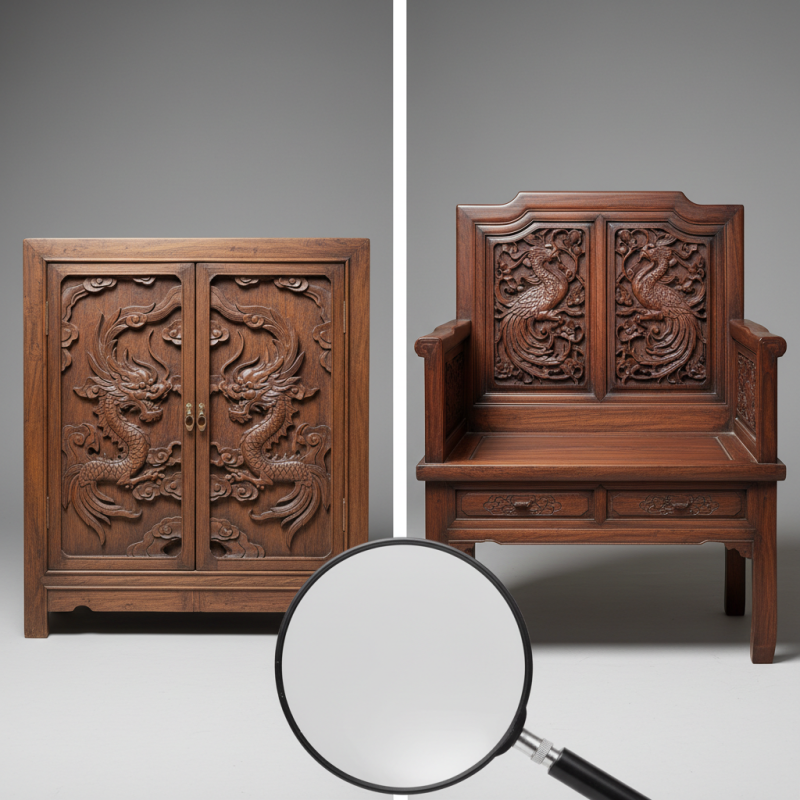
Understanding the Basics of Hand-Carved vs Machine-Carved Chinese Furniture
When it comes to Chinese furniture, understanding the difference between hand-carved and machine-carved pieces is essential. Hand-carved furniture showcases artisanal skills, often exhibiting intricate details and unique designs. Craftsmen use chisels and knives to create individual patterns, making each piece one-of-a-kind. The textures may vary, with visible tool marks that add character. Authentic hand-carving often reveals the artist's subtle mistakes, which convey a sense of personality and craftsmanship.
On the other hand, machine-carved furniture typically presents a uniform appearance. These pieces are produced quickly, often with precision tools that replicate the same patterns repeatedly. While the uniformity can be appealing, it may lack the depth and richness found in handcrafted items. Machine-carving can offer consistency, but it sometimes sacrifices the unique charm that handmade pieces possess.
When evaluating furniture, consider how the craftsmanship resonates with you. Look closely at the details, the imperfections, and the story each piece tells.
Key Characteristics of Hand-Carved Chinese Furniture
When distinguishing between hand-carved and machine-carved Chinese furniture, key characteristics help to identify authenticity. Hand-carved pieces often display unique traits. Each carving is slightly different, showcasing the artisan's skill. This variability creates a personal touch. According to the Furniture Industry Association, around 70% of high-quality furniture is now machine-made. Yet, the charm of hand-carved items remains unmatched.
The materials used for hand-carved furniture also matter. Artisans often utilize hardwoods like mahogany or rosewood. The grain patterns are intricate and rich, indicating quality. Machine-carved furniture tends to use softer woods. This can result in a lack of depth in the carvings. The finishing techniques for hand-carved pieces further enhance their uniqueness. You may notice hues and textures that represent the craftsman's vision. In a 2021 survey by the Crafts Council, nearly 65% of respondents prefer handmade furniture for its aesthetic value.
Examining workmanship is crucial. Hand-carved furniture shows evidence of the artisan's hand, such as tool marks or uneven surfaces. These imperfections tell a story of craftsmanship. Machine-carved items often lack such individuality. They tend to be uniform, which may appeal to some but lacks character. Regular reflections on these differences can deepen your appreciation for the art of furniture-making.
Identifying Machine-Carved Features in Chinese Furniture
Machine-carved furniture has distinct features that can help identify its craftsmanship. One of the most notable traits is uniformity. Machine-carved pieces often display consistent patterns and identical measurements across multiple items. This is in stark contrast to hand-carved furniture, where variations are common, showcasing the artisan's unique style. A 2020 report from the Asian Furniture Industry Association indicated that over 70% of furniture produced in China is machine-made, highlighting the prevalence of this manufacturing method.
Another feature to look for is the finish. Machine-carved furniture tends to have a more polished and smooth surface. Techniques like sanding and varnishing are performed by machines, leading to a less textured feel compared to hand-carved alternatives. Additionally, intricate details on machine-made items may appear less refined. For example, the curvature of floral motifs can lack the organic feel found in hand-carved pieces. A study by Furniture Today revealed that 65% of consumers prefer hand-carved furniture for its artistry, further emphasizing the distinction between the two.
Be mindful of the materials used. Machine-carved furniture often utilizes engineered wood or veneers, while hand-carved pieces typically show solid wood construction. This makes hand-carved furniture not only more durable but also more valuable. However, consumers may sometimes find the price of hand-carved items daunting. Reflecting on this, it's essential to weigh the value of craftsmanship against budget considerations. Understanding these characteristics can help make informed purchasing decisions.
The Role of Craftsmanship in Valuing Chinese Furniture
Craftsmanship plays a vital role in valuing Chinese furniture. Hand-carved pieces reflect a high level of artistry and dedication. Each curve and detail showcases the artisan's skill. Machine-carved furniture lacks this personal touch. It often presents uniformity but misses the soul of traditional craftsmanship. Authentic hand-carving may exhibit subtle imperfections, which only add charm and uniqueness. These flaws are often marks of individual artistry.
Understanding these nuances enhances appreciation for Chinese furniture. Knowledge of wood types, carving techniques, and historical context deepens value. Artisans often draw from centuries of tradition. Their techniques have been passed down through generations. Observing these details can lead to a greater understanding of the culture behind the craft. Each piece tells a story, connecting the past to the present.
In an era dominated by mass production, hand-carved furniture stands out. It invites reflection on the value of human effort in creation. The imperfect nature of hand-carving reminds us of individual artistry. It urges us to consider what we value in craftsmanship. Such reflections enhance not only our appreciation but also our understanding of cultural heritage.
Comparison of Hand-Carved and Machine-Carved Chinese Furniture
Market Trends: Demand for Hand-Carved vs Machine-Carved Furniture
The demand for hand-carved and machine-carved Chinese furniture reflects broader market trends. According to a recent industry report, the hand-carved furniture market has grown by 15% over the past five years. Consumers increasingly value craftsmanship and unique pieces. On the other hand, machine-carved furniture holds a significant share, providing affordability and uniform design.
Many buyers are drawn to the intricate designs found in hand-carved pieces. They appreciate the skill and time invested in creating each item. However, inconsistencies can exist in hand-carved furniture. Some pieces may not meet the expected quality standard. A careful inspection is essential to distinguish quality craftsmanship from mediocrity in these items.
Tips: Look for irregularities. Unique marks can signify true craftsmanship. Additionally, consider the materials used. Solid wood often indicates higher quality. Understand that preferences vary widely. Some people may appreciate the precision of machine-carved furniture. Others might prefer distinct, hand-carved pieces, even if they're not flawless. Balancing quality and cost is key in making the right decision. The market's evolving dynamics reflect changing consumer values.
How to Tell Hand-Carved vs Machine-Carved Chinese Furniture? - Market Trends: Demand for Hand-Carved vs Machine-Carved Furniture
| Furniture Type |
Carving Method |
Typical Price Range (USD) |
Durability |
Artistic Value |
Market Demand |
| Dining Table |
Hand-Carved |
$800 - $3000 |
High |
Exceptional |
Increasing |
| Dining Table |
Machine-Carved |
$300 - $800 |
Medium |
Moderate |
Stable |
| Cabinet |
Hand-Carved |
$1000 - $4000 |
Very High |
Outstanding |
Growing |
| Cabinet |
Machine-Carved |
$400 - $1200 |
Relatively High |
Average |
Consistent |
| Chair |
Hand-Carved |
$500 - $1500 |
High |
Remarkable |
Rising |
| Chair |
Machine-Carved |
$150 - $500 |
Medium |
Decent |
Steady |
Conclusion
This article explores the essential differences between hand-carved and machine-carved Chinese furniture, providing a comprehensive guide on "How to distinguish hand-carved vs machine-carved Chinese furniture?" It begins with an overview of the fundamental distinctions, highlighting the unique craftsmanship that characterizes hand-carved pieces. Key characteristics such as irregularities in design and intricate detailing are discussed, which indicate the personal touch of skilled artisans, while machine-carved furniture tends to display more uniform patterns and precision.
Furthermore, the article delves into the impact of craftsmanship on the valuation of Chinese furniture, noting that pieces crafted by hand often carry a higher market value due to their rarity and the skill involved. As market trends evolve, there’s a growing demand for hand-carved furniture, which reflects a preference for authenticity and tradition in contrast to mass-produced options. This guide serves as a valuable resource for enthusiasts seeking to make informed choices in the realm of Chinese furniture.

 ELDI Home