The rising awareness of back pain among adults emphasizes the need for effective solutions. Recent studies indicate that nearly 80% of people will experience back pain at some point in their lives. With this in mind, the question arises: Are Chinese style beds good for back pain?
Chinese style beds, often characterized by their wooden structure and low height, have become increasingly popular in modern homes. Their design promotes a firmer sleeping surface, which some experts argue can be beneficial for spinal alignment. A report from the National Institute of Health indicates that a firmer mattress may relieve pressure points and distribute body weight more evenly, potentially alleviating discomfort. However, individual preferences and body types can yield different results.
Despite some positive feedback, effectiveness can vary. Some users find these beds too rigid, leading to discomfort rather than relief. Personal experiences demonstrate the need for careful consideration when choosing a bed. It is essential to evaluate how different styles affect sleep quality. Thus, while Chinese style beds may help certain individuals, they may not universally resolve back pain. Further investigation is vital to fully understand their impact on overall health.
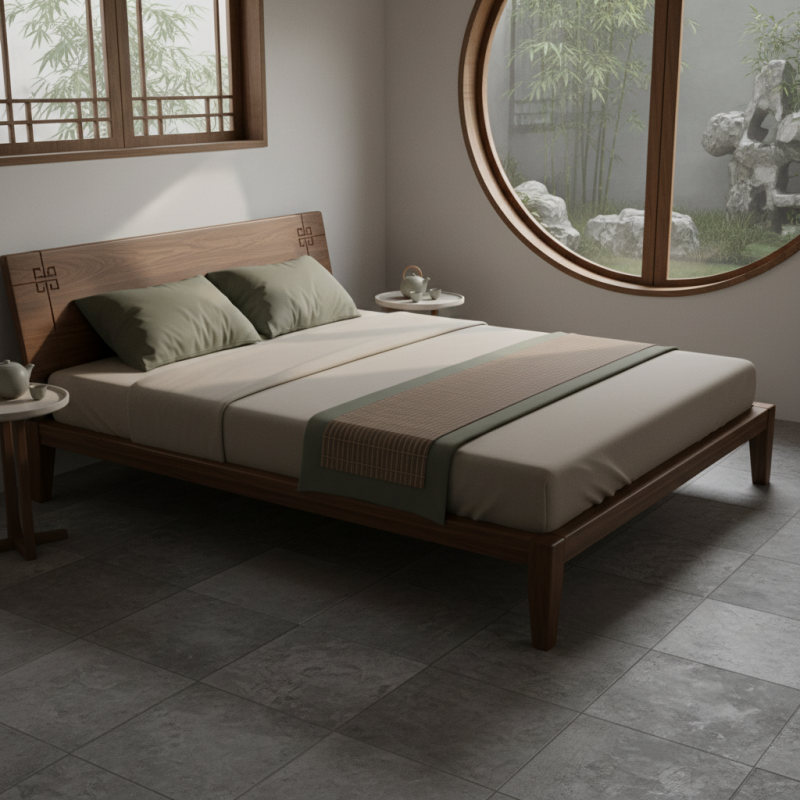
Chinese style beds have gained popularity for their unique design and health benefits. These beds are typically low to the ground, promoting a more stable and balanced posture during sleep. This aspect is particularly beneficial for those suffering from back pain. Lower beds reduce the risk of awkward movements while getting in and out of bed.
Moreover, traditional Chinese beds often utilize natural materials like wood. These materials allow for better airflow and regulate body temperature. A cooler sleeping environment can lead to more restful sleep. It may also relieve tension in the muscles, contributing to a reduction in back pain. However, some individuals may find these beds too firm, which might not suit everyone's comfort preferences.
Cultural beliefs also play a role in the popularity of these beds. They are often associated with holistic health practices. While many claim relief from back pain, personal experiences can vary widely. Some might find immediate comfort, while others may need time to adjust to the different sleeping surface. Always consider personal comfort and health needs when choosing the right bed style.
: Chinese style beds are low to the ground, promoting better posture and stability during sleep.
These beds often use natural materials like wood, improving airflow and temperature regulation for restful sleep.
Some people may find these beds too firm, which might not suit their individual comfort preferences.
A solid wooden frame and a firm sleeping surface can support spinal alignment, reducing pressure on the back.
Studies show that about 68% of people report better sleep quality and less back pain on firmer surfaces.
Consider your sleeping position. Firmer surfaces are typically better for back sleepers, while side sleepers might prefer softer options.
Personal comfort is crucial. What works for one person may not work for another due to different needs and preferences.
If a bed causes discomfort, consider adding cushioning options or consult a healthcare professional for advice.
No guaranteed relief exists. Some may find comfort quickly, while others may need time to adjust to a new surface.
Pay attention to how you feel consistently. Evaluate any discomfort and adjust your sleeping arrangement accordingly.
The article "Are Chinese Style Beds Effective for Alleviating Back Pain?" explores the relationship between traditional Chinese bed designs and back pain relief. It begins by examining the unique characteristics of Chinese style beds, which are often firmer and more supportive compared to Western mattress designs. This emphasis on design and support is posited to have a significant impact on overall comfort and spinal alignment.
Additionally, the article provides a comparative analysis juxtaposing Chinese style beds with Western mattresses, highlighting the distinct benefits each offers. Expert opinions suggest that the structural benefits of Chinese beds may indeed be advantageous for those suffering from back pain. Finally, user testimonials reinforce these findings, describing positive experiences of back pain relief when using Chinese style beds. Overall, it raises the crucial question: Are Chinese style beds good for back pain?

 ELDI Home