The question "Why is Chinese furniture so expensive?" resonates deeply with consumers and industry experts alike. As we look into 2026, the price tags on Chinese furniture continue to rise. The craftsmanship involved plays a significant role. Artisans dedicate years to mastering their skills. Beautiful wood grains and intricate designs are common. These unique qualities often justify the higher costs.
Supply chain challenges also contribute to this trend. Raw materials are becoming scarce. This scarcity drives up prices, impacting furniture production drastically. Moreover, the global shift towards sustainable practices adds to the expense. Companies are investing in eco-friendly materials, which usually come at a premium.
Consumer demand is a critical factor to consider. A growing appreciation for quality furniture is visible. Buyers are willing to pay more for items that last. However, some may question if all expensive items are justified. As the market evolves, we must ponder the balance between price and value. Why is Chinese furniture so expensive? The answer is complex, filled with many layers of cultural and economic factors.
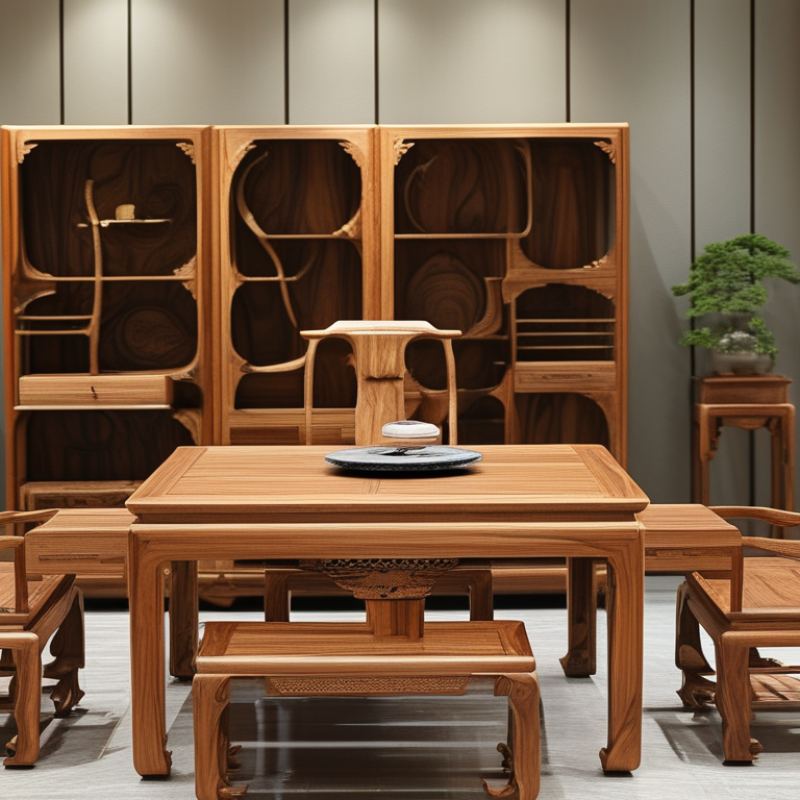
Factors Influencing the High Cost of Chinese Furniture in 2026
Chinese furniture has become increasingly expensive in 2026 due to several interrelated factors. According to a report by the China National Furniture Association, production costs have risen by around 25% over the past few years. This spike can be attributed to higher raw material prices, labor costs, and stringent environmental regulations. As manufacturers comply with these regulations, the cost of production rises, which is inevitably passed on to consumers.
Sustainability has become a pressing issue. Many consumers now prefer eco-friendly options, which often command higher prices. A study from the International Trade Centre reveals that 68% of consumers are willing to pay more for sustainable furniture. This trend pushes manufacturers to innovate and adopt sustainable practices, driving up overall prices. Additionally, the desire for unique, artisanal pieces has grown, leading to increased production costs. Many artisans require fair wages, which boosts the final retail price.
Global markets also influence local prices. Import tariffs and shipping costs have surged due to geopolitical tensions and supply chain disruptions. Data from the World Trade Organization indicates a 20% increase in shipping costs since early 2025. Consequently, these costs reflect in the retail prices of Chinese furniture. This scenario invites reflection on how market volatility and consumer preferences shape the dynamics of pricing within the furniture industry.
Rising Costs of Raw Materials and Production Processes in China
The rising costs of raw materials and production processes in China are significant factors contributing to the high prices of Chinese furniture in 2026. Data from industry reports indicate that the price of wood has surged by over 30% since 2024. Supply chain disruptions and increased demand have exacerbated this trend. Furthermore, labor costs in China have climbed steadily, with reports indicating a 15% rise in manufacturing wages over the past two years.
The production process has also become more complex due to stricter environmental regulations. These regulations often necessitate more expensive, sustainable materials and practices. For instance, manufacturers are shifting to eco-friendly finishes and adhesives, which can cost up to 25% more than traditional options. As a result, the prices reflect not just the materials, but also the higher standards of craftsmanship and environmental responsibility.
Looking for value? Consider exploring local artisans who use reclaimed materials. This approach not only supports sustainability but can also result in unique designs. Alternatively, look for alternative materials that still offer durability and aesthetic appeal. This could lead you to more budget-friendly options without sacrificing quality.
The Impact of Labor Costs on Furniture Pricing in the Chinese Market
In 2026, the rising costs of labor in China are reshaping the furniture industry. Skilled craftsmen and their expertise come at a premium. Many artisans now command higher wages, reflecting their years of training and skill. The intricate designs and quality materials make this labor investment essential. However, this also means higher prices for consumers.
Manufacturers face pressure to balance costs while maintaining quality. Some have turned to automation, but it lacks the personal touch of human artisans. This has sparked debates on whether the essence of traditional craftsmanship is being lost. The push for sustainability also impacts costs. Eco-friendly materials often require more time and effort to source responsibly.
Consumers are noticing these changes. Many are willing to pay extra for unique, high-quality pieces. Yet, some question if the high prices truly reflect the product's value. The challenge remains—how to keep the balance between craftsmanship, sustainability, and affordability in an evolving market.
Trends in Global Demand and Their Effect on Chinese Furniture Pricing
As global demand for premium furniture surges, the cost of Chinese furniture has notably increased. The International Furniture Reports in 2026 indicates a 25% spike in prices due to escalating raw material costs. Factors such as scarcity of sustainable timber and rising labor costs in China are contributing significantly to this trend. Additionally, increased tariffs on imports from China further inflate prices.
Consumers are prioritizing quality and craftsmanship, pushing manufacturers to enhance their offerings. The China National Furniture Association reported that exports of high-end furniture grew by 30% last year. This trend emphasizes the importance of investing in durable pieces that reflect authentic craftsmanship. However, the rapid rise in prices may leave some consumers reconsidering their budgets.
Consider sourcing locally whenever possible. Supporting local artisans can often yield unique pieces at competitive prices. Look for alternative materials, like reclaimed wood, which can be both eco-friendly and cost-effective. Be open to second-hand options; vintage pieces usually tell a unique story and can be more affordable.
Cultural Significance and Craftsmanship: Why Quality Comes at a Premium
Chinese furniture in 2026 is increasingly recognized for its cultural significance and craftsmanship. Traditional methods, combined with modern designs, create unique pieces. The artisans behind this furniture often have years of training. They utilize techniques passed down through generations. Every item tells a story, connecting to China’s rich heritage. This connection adds substantial value.
Quality materials are also a factor driving up costs. Artisans often source rare woods, like rosewood or sandalwood. Each piece is meticulously crafted, requiring hours of work. Clients seek authenticity and artistry, which cannot be rushed. In a world of mass production, these handmade items stand out. However, it raises questions about accessibility. Not everyone can afford such pieces, limiting appreciation to a few.
Moreover, sustainability plays a role. Many craftsmen emphasize eco-friendly practices. This commitment often increases expenses. While the results are stunning, it provokes thought about balance. High prices may seem exclusionary. However, they reflect dedication to preserving art and culture in furniture.
Why is Chinese Furniture So Expensive in 2026? - Cultural Significance and Craftsmanship
FAQS
: The cost has risen due to higher raw material prices, labor costs, and strict environmental regulations.
Sustainable furniture options often cost more. Many consumers are willing to pay extra for eco-friendly products.
Wood prices have surged over 30% since 2024, affecting overall furniture costs.
Manufacturing wages have increased by about 15% over the past two years, contributing to higher furniture prices.
Yes, shipping costs have risen by 20% since early 2025 due to global supply chain disruptions.
Many artisans require fair wages, which can increase the final price of unique, artisanal furniture pieces.
Exploring local artisans or alternative materials may yield unique designs without sacrificing quality.
Stricter regulations often raise production costs, leading to higher retail prices for consumers.
Yes, fluctuations in global markets and consumer preferences significantly shape pricing dynamics.
Yes, look for reclaimed materials or innovative designs that offer durability and sustainability at lower costs.
Conclusion
In 2026, the question "Why is Chinese furniture so expensive?" can be attributed to several interconnected factors. One primary reason is the rising costs of raw materials and production processes in China, which have significantly increased overall manufacturing expenses. Additionally, labor costs in the Chinese market have also surged, further driving up prices for finished products.
Another aspect impacting the cost is the global demand for high-quality Chinese furniture, as international markets increasingly seek out these products. This trend often leads to a premium being placed on craftsmanship and cultural significance, where quality and traditional techniques are valued, ultimately contributing to higher price points. Thus, the combination of these economic and cultural factors illustrates the complexities behind Chinese furniture pricing in the current market.

 ELDI Home