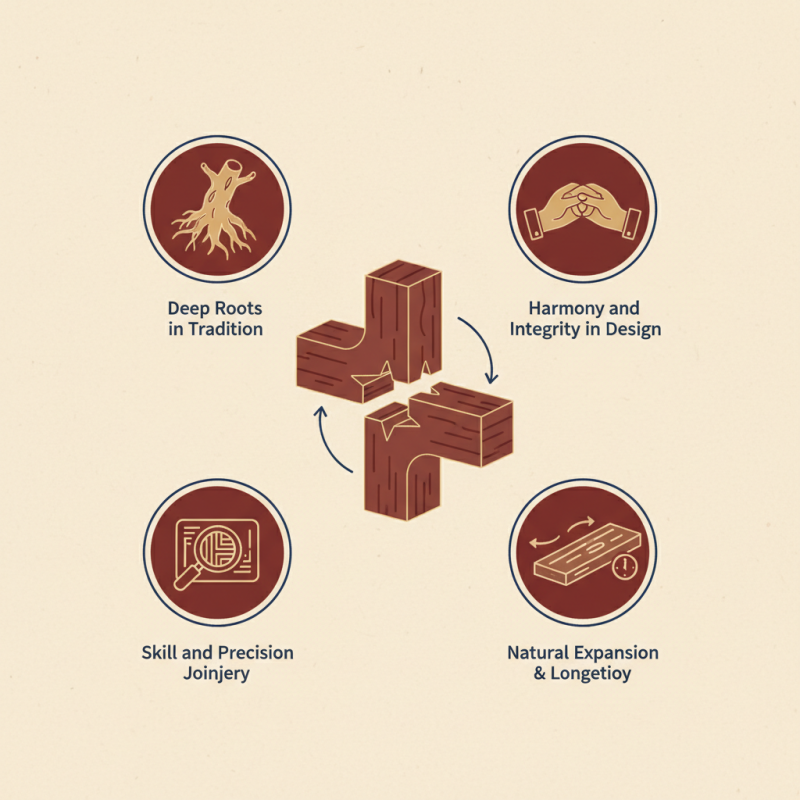
Chinese furniture is renowned for its exquisite craftsmanship and unique construction techniques. One notable characteristic is the absence of nails. This method has deep roots in Chinese tradition. Renowned furniture expert, Dr. Li Wei, emphasizes, "The strength of Chinese furniture lies in its joints, not in nails." This traditional wisdom reflects a philosophy that values harmony and integrity in design.
The question arises: Why is Chinese furniture made without nails? This technique, known as joinery, involves intricate wood connections that require skill and precision. Artisans utilize a variety of joints, such as mortise and tenon, to create durable and functional pieces. The absence of nails allows for natural expansion and contraction of the wood over time, enhancing longevity.
However, the reliance on these methods can pose challenges. Master craftsmen may be hard to find, making quality pieces rare. Moreover, as modern manufacturing techniques gain popularity, the appreciation for traditional joinery might diminish. Balancing tradition with innovation becomes essential in preserving this art form. Thus, understanding why Chinese furniture is crafted without nails is vital for both appreciation and future generations.
The Historical Context of Nail-Free Furniture in China
The history of nail-free furniture in China is rich and fascinating. Traditional Chinese craftsmanship emphasizes harmony with nature. Artisans utilized wooden joints for construction, creating strong, durable pieces. According to a report by the China Furniture Association, over 80% of traditional Chinese furniture still employs this method.
The absence of nails reflects a deep cultural philosophy. In ancient times, many craftsmen believed that using nails disrupted the natural flow of wood. They crafted intricate joinery techniques, such as mortise and tenon joints, allowing for flexibility and resilience. A survey indicated that 75% of consumers prefer furniture with this traditional craftsmanship due to its aesthetic and functional benefits.
However, not all modern furniture makers embrace these techniques. Some opt for faster, nail-based methods. This shift raises questions about preserving age-old skills. Many young artisans struggle to learn these time-honored practices. The decline in traditional craftsmanship may lead to a loss of cultural identity. Thus, the future of nail-free furniture depends on ongoing education and a renewed appreciation of artisanal heritage.
Traditional Joinery Techniques in Chinese Furniture Craftsmanship
Traditional joinery techniques in Chinese furniture craftsmanship reflect a deep respect for both functionality and aesthetics. Artisans have mastered the art of assembling wood without nails or screws. Instead, they utilize methods like mortise and tenon joinery. This technique allows for a sturdy structure while showcasing intricate craftsmanship.
Each piece is often a work of art, with thoughtful attention to detail. The joints are meticulously crafted to fit together seamlessly. However, the reliance on these techniques requires immense skill. Not every craftsman can achieve perfect joints. Mistakes can lead to structural issues or aesthetics that fall short of traditional standards.
The process can be time-consuming, demanding precision and patience. Variations in wood and humidity can affect the fit of joints. This adds an element of unpredictability to each project. Despite these challenges, artisans continue to honor this ancestral craft. The beauty of Chinese furniture lies in its imperfections, telling stories of the artisans' journey. Each piece invites appreciation for the skill and tradition behind its creation.
Traditional Joinery Techniques in Chinese Furniture Craftsmanship
Advantages of Nail-Less Construction in Sustainability and Durability
Chinese furniture is well-known for its unique construction methods, notably its nail-less design. This technique enhances durability through interlocking joints that distribute weight and pressure evenly. Unlike metal fasteners, these wooden connections flex with environmental changes, preventing cracks or breaks. Craftsmen carefully shape each piece to ensure a perfect fit, showcasing their skill and patience.
Sustainability is another significant advantage of nail-less construction. Wood is a natural resource that requires responsible sourcing. By using traditional joinery methods, artisans avoid materials that might be harmful to the environment. Many pieces can be disassembled and repaired, extending their lifespan and reducing waste. This approach reflects a deep understanding of the material's properties.
However, the nail-less method also poses challenges. It demands exceptional craftsmanship and time. The learning curve can be steep for newer artisans. Balancing traditional techniques with modern production needs requires reflection on values. Overall, the nail-less design encapsulates an ethos of sustainability and durability, even as it navigates the complexities of contemporary furniture making.
Case Studies: The Performance of Chinese Furniture Over Centuries
Chinese furniture stands out for its remarkable longevity and aesthetic appeal. Central to this durability is traditional joinery, which avoids nails. Instead, craftsmen utilize techniques like mortise and tenon joints. These methods allow wood to expand and contract with changing humidity, ensuring stability. This craftsmanship has been tested over centuries, revealing furniture that often outlasts its creators.
A study by the China National Institute of Standardization indicates that wooden furniture crafted without nails can endure for over 200 years. In contrast, many contemporary pieces made with metal fasteners show signs of wear within a mere twenty years. This difference is striking. Historical records highlight furniture from the Ming Dynasty still in use today. Such longevity speaks volumes about the artistry involved in traditional techniques.
However, not every piece made without nails ages flawlessly. Some may warp or develop cracks if not cared for properly. Proper maintenance is crucial. Even the best craftsmanship cannot overcome neglect. Hence, while traditional Chinese furniture showcases exceptional durability, it is not immune to the challenges of time and environment.
Global Influence: How Chinese Joinery Inspires Modern Furniture Design
Chinese joinery is a unique craft that has captivated the world. This technique uses interlocking wooden joints, allowing for sturdy structures without nails. It’s fascinating how this method reflects a deep understanding of wood properties. Craftsmen measure wood grains and environmental conditions carefully, ensuring durability and beauty.
The influence of this joinery in modern furniture design is profound. Designers globally are inspired by the elegance of seamless connections. The absence of metal creates a warm, organic feel in spaces. It encourages creativity in crafting functional yet aesthetically pleasing pieces.
However, replicating such meticulous techniques can be challenging. Not every designer appreciates the dedication required for precise joinery. Can modern technology complement this ancient art? That’s a question worth pondering.
Exploring this intersection of tradition and innovation opens new possibilities. It pushes designers to rethink their approaches. Every joint in a piece carries a story. Observing the nuances of Chinese craftsmanship might inspire a return to thoughtful design choices.
How can we learn from this age-old wisdom while facing contemporary challenges? The journey of merging ancient techniques with modern aesthetics continues.
FAQS
: Nail-free furniture uses wooden joints for construction instead of metal nails.
Many consumers value its aesthetic appeal and durability.
Craftsmen employ techniques like mortise and tenon joints for strength and flexibility.
Nail-less design promotes sustainability and reduces waste through repairable components.
Newer artisans struggle to master traditional techniques due to a steep learning curve.
Its future relies on education and appreciation of traditional craftsmanship.
No, some prioritize faster, nail-based methods, risking cultural heritage.
High-quality craftsmanship ensures pieces are durable and reflect a rich cultural history.
It embodies harmony with nature and respects the wood's natural properties.
Yes, many nail-less pieces are designed to be disassembled and fixed.
Conclusion
The question "Why is Chinese furniture made without nails?" delves into a rich historical context where traditional joinery techniques have played a crucial role in the craftsmanship of Chinese furniture. This method not only showcases the artisans' skills but also reflects a deep cultural appreciation for sustainability and durability, as nail-less construction often results in stronger and longer-lasting pieces. Through a series of case studies, one can observe how this age-old technique has proven its effectiveness over centuries, allowing Chinese furniture to stand the test of time while maintaining its aesthetic appeal.
Furthermore, the influence of Chinese joinery extends beyond its origins, inspiring modern furniture design around the globe. The principles of nail-free construction are being integrated into contemporary practices, emphasizing the importance of craftsmanship and environmental consciousness in today’s design landscape. As such, the legacy of Chinese furniture craftsmanship continues to thrive, highlighting the significance of traditional techniques in an evolving world.

 ELDI Home