Choosing the right dining table can significantly influence your dining experience. In China, family meals are central to social life. A suitable table can enhance gatherings and create a warm atmosphere. According to the China Cabinet Industry Development Report, the dining table market is projected to grow by 8% annually. This trend underscores the importance of selecting the right size table.
When addressing "How to choose the right size Chinese dining table?", expert Wei Zhang emphasizes, “A well-chosen table not only provides comfort but also aesthetically complements your home.” The size of your dining table should reflect your space and needs. For small apartments, a round table may work better, while larger families might prefer an extendable rectangular table.
Many people underestimate table size. A table too large can overwhelm a room, while one that's too small may lack functionality. Remember, comfort is key. Leave room for movement and ensure the table fits your space seamlessly. Reflecting on common mistakes can refine your choices.
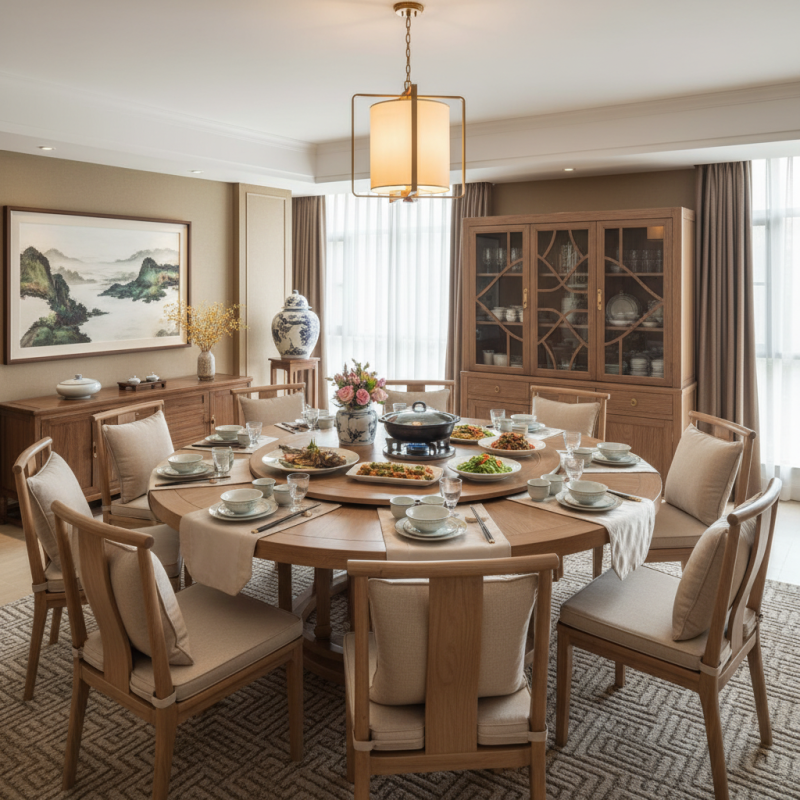
Understanding the Dining Space: Measuring Your Area Accurately
Measuring your dining space accurately is a vital first step in choosing the right table size. According to recent industry reports, over 70% of homeowners feel cramped in their dining area due to oversized furniture. To avoid this, take precise measurements of your available space. Use a measuring tape to record both the length and width of the area where you plan to place the table.
Consider the distance you need to maintain between your table and other furniture. Experts recommend leaving at least 36 inches of space for comfortable movement. If your dining room is small, opt for a round table. It can often feel less imposing. Remember, the shape of your room can impact table choice significantly. A rectangular room may benefit from a longer table, while a square room might be better suited for a circular design.
Don't forget to measure doorways and hallways too. You need enough clearance for easy setup and movement. If a table looks great online but won’t fit through your door, you may need to rethink your options. It's crucial to reflect on how the table will fit not just physically, but also how it will flow with your lifestyle and gatherings. Sometimes, the perfect aesthetic can lead to a functional nightmare.
China Top 10 Tips for Choosing the Right Size Dining Table
| Tip Number |
Tip Description |
Ideal Size (Length x Width) |
Recommended Seating |
| 1 |
Measure your space |
6ft x 3ft |
6-8 people |
| 2 |
Consider the shape of the room |
5ft x 3ft |
4-6 people |
| 3 |
Leaving space around the table |
8ft x 4ft |
8-10 people |
| 4 |
Think about table extensions |
7ft x 3.5ft |
6-8 people (extendable to 10) |
| 5 |
Consider the style of chairs |
6ft x 3ft |
6 people |
| 6 |
Account for table height |
6ft x 3.5ft |
6-8 people |
| 7 |
Consider multi-functional tables |
5ft x 5ft |
4-6 people |
| 8 |
Match table size to the number of diners |
8ft x 4ft |
10-12 people |
| 9 |
Plan for future gatherings |
9ft x 4ft |
10-12 people |
| 10 |
Choose the right material |
6ft x 3ft |
6-8 people |
Considering the Number of Diners: Seating Capacity Requirements
Choosing the right size dining table is crucial for creating an inviting dining space.
When considering seating capacity, a key factor is the number of diners you typically host. For daily use, consider who usually joins.
A table for four may seem sufficient, but how often do you entertain? Occasional gatherings might need more space.
Measure your space wisely. A large table can overwhelm a small room. Ensure there is enough walking space around it—ideally
36 inches between the table and walls or furniture. Think about comfort, too.
Each diner should have at least 24 inches of space. This allows for ease and relaxation during meals.
Remember, not all tables accommodate chairs equally. Some designs leave little room for elbows. If you plan to use a bench, consider how that affects seating capacity.
Reflecting on your dining habits helps. Are you often cramped during meals? Adjust your table size based on your normal seating arrangements.
Making mistakes can be part of the journey, but thoughtful choices can enhance your dining experience significantly.
Exploring Table Shapes: Round, Square, and Rectangular Options
When choosing a dining table, table shapes play a crucial role.
Round tables promote conversation and intimacy. They fit snugly in smaller spaces. A round table can offer a warm, inviting atmosphere.
It eliminates sharp corners, making it safer for children.
Square tables bring symmetry and balance. They are ideal for smaller gatherings.
A square shape can suit diverse design themes. However, they may feel cramped with more guests.
Consider your dining habits and space before deciding.
Rectangular tables are versatile and spacious. They accommodate larger groups easily. This shape allows for elongation, adapting to different occasions.
Yet, they require larger spaces. Think about how you typically gather. The right table should align with your lifestyle. Choose wisely!
Evaluating Table Height: Standard vs. Counter Height Choices
When selecting a dining table, height is crucial. The standard height for dining tables typically ranges from 28 to 30 inches. This height caters to most dining chairs, making meals more comfortable. A standard table allows easy movement and accessibility. However, many people overlook this detail. A table too tall or short can lead to awkward dining experiences.
Counter height tables are becoming popular. They usually stand between 34 to 36 inches tall. These tables offer a different dining experience. They encourage a casual vibe, perfect for entertaining. Yet, they require special seating, which may not fit every space. Consider your dining area before choosing this option. Counter height can make a space feel larger but may not suit every dining style.
Ultimately, it’s all about personal preference and space dynamics. Experimenting with different heights can lead to surprising discoveries. Measure your dining area, and visualize how each table height affects your experience. Sometimes, the choices we overlook can lead to the best moments around the dining table.
Evaluating Dining Table Heights: Standard vs. Counter Height Choices
This chart compares the popularity and usage of standard dining table heights versus counter heights in various dining settings. Choosing the right height can greatly impact dining experience.
Matching Style and Functionality: Aesthetic and Practical Considerations
Choosing the right dining table involves more than just measuring space. Aesthetics play a huge role in this decision. Consider the style of your home. Is it modern, rustic, or traditional? A table should complement the overall design. For instance, a sleek glass table works well in contemporary settings. On the other hand, a reclaimed wood table adds warmth to a cozy home.
Functionality is equally important. Think about how often you entertain. Do you need extra space for large gatherings? Or will a smaller, intimate table suffice? Ensure there’s enough room for chairs and movement. Define your needs. If you have children, a durable, easy-to-clean surface might be essential. Reflecting on these aspects helps create a balance between style and practicality. Sometimes, people's choices are guided more by trends than by real needs. Avoid that trap to find the perfect fit.
FAQS
: Use a measuring tape to note the length and width of your dining area accurately.
Leave at least 36 inches for comfortable movement around the table.
A round table can feel less imposing in a small dining area.
Adequate clearance is needed to ensure the table fits through doors and halls.
Consider how many people you usually host for meals and gatherings.
Each diner should ideally have at least 24 inches of space for comfort.
Ensure the table complements your home’s design and meets your functional needs.
People's needs vary; following trends can lead to choices that don't fit your lifestyle.
Conclusion
When considering how to choose the right size Chinese dining table, it is crucial to start by accurately measuring your dining space to ensure a perfect fit. Understanding the available area sets the foundation for determining the appropriate table size. Next, consider the number of diners you expect to accommodate, as seating capacity plays a significant role in your decision.
Additionally, exploring various table shapes—round, square, and rectangular—can influence both functionality and aesthetics. Evaluating table height options, whether standard or counter height, is also essential to ensure comfort. Lastly, matching the table's style with your decor can enhance both the look and practicality of your dining space, creating a harmonious environment for meals and gatherings.

 ELDI Home